
Written scope with line items
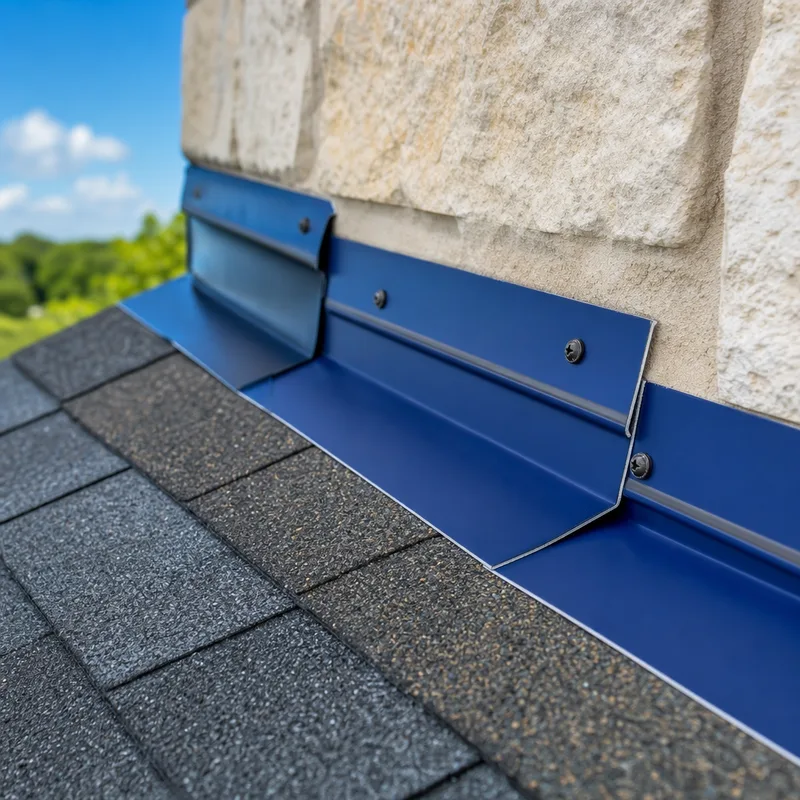
Look for a proposal that names the components being replaced or repaired—flashing, underlayment, vents, and pipe boots—not a single lump-sum description.
Serving San Marcos, Texas & surrounding areas
Choose a crew that inspects carefully, explains options in plain language, and backs the work with clear paperwork. We help homeowners and property managers schedule fast and make confident decisions before any materials are ordered.

If you are comparing roofing companies San Marcos homeowners rely on, the biggest difference usually is not the brand of shingle. It is how the company inspects, documents, and communicates. A good roofer will show you what is happening on the roof, explain what is urgent versus what can wait, and put the full scope in writing.
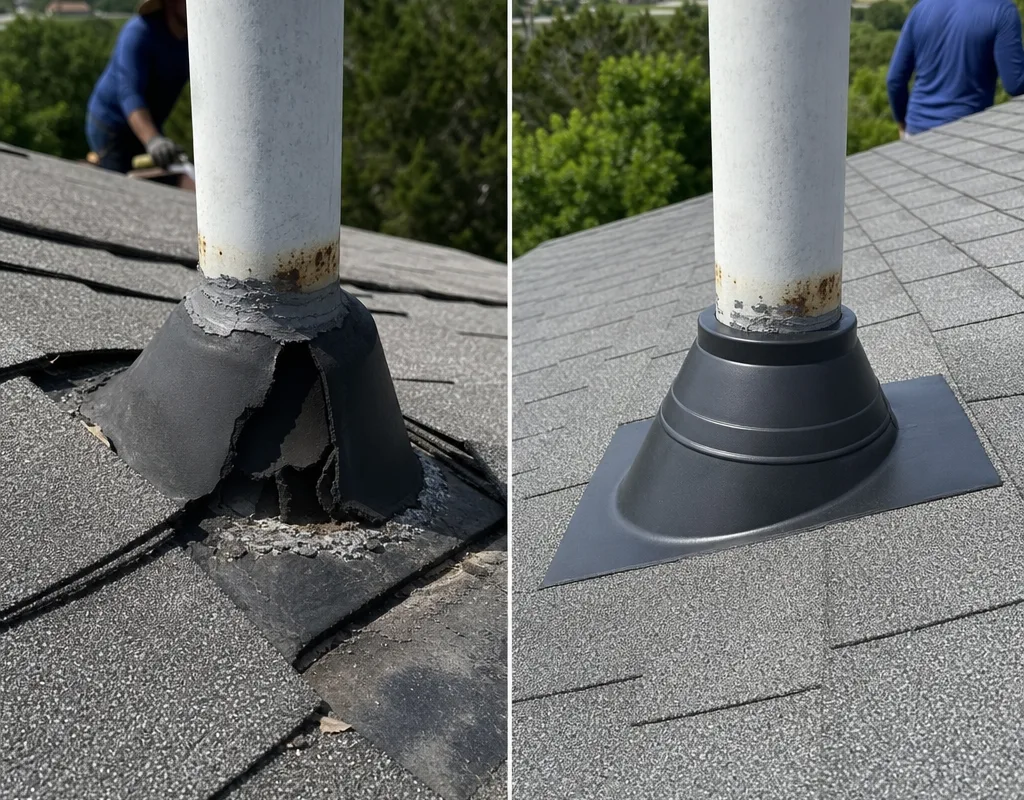
In San Marcos, roofs take a beating from heat, sun, and sudden storm cycles that can loosen flashing, damage ridge caps, and expose weak spots around penetrations. That is why the best roofing companies in San Marcos start with a system check, not a guess: the deck and underlayment condition where visible, ventilation and intake/exhaust balance, flashing at valleys and walls, pipe boots, drip edge, and the condition of shingles or panels across slopes.
Roofing San Marcos works with local homes and light commercial buildings and keeps the process simple: inspect, document, propose options, then schedule a repair or replacement with a clean jobsite plan. You will know what to expect once you request an inspection.
Look for a proposal that names the components being replaced or repaired—flashing, underlayment, vents, and pipe boots—not a single lump-sum description.
Roof issues are visual. A solid company documents findings with roof photos so you can see where the leak path or damage starts.
Ask what is covered for workmanship, what is manufacturer coverage, and what maintenance or exclusions apply.
A competent roofer checks intake and exhaust and explains what changes, if any, are recommended.
Jobsite protection, debris control, magnetic nail sweeps, and a clear disposal plan matter as much as the installation.
Ask how weather delays are handled, how long tear-off and dry-in usually take, and who your point of contact is.
Most roofing companies in San Marcos offer a mix of repairs, maintenance, and full replacements. The right scope depends on what failed, how widespread it is, and whether the roof system is near the end of its service life.
Typical repair and replacement work includes:
A trustworthy roofer will tell you when a repair is a smart stopgap and when it is likely to repeat. Multiple active leaks, widespread granule loss, or repeated flashing failures may make a replacement scope the better long-term value.
A documented sequence keeps decisions, scheduling, property protection, and final paperwork clear.
We inspect the roof surface and key transition points where failures start. You get photos and a plain-language explanation of what we found.
We outline repair versus replacement paths when both are viable, including what gets replaced, what stays, and what risks remain.
We confirm access, staging, landscaping protection, and timing. If weather shifts, we keep you updated early.
We keep the jobsite controlled, protect property where needed, and finish with a thorough cleanup and final walkthrough.
You receive final scope confirmation, applicable warranty information, and maintenance guidance for your roof system.
Most roofing work in San Marcos typically ranges from $250 to $900 for minor repairs, $900 to $2,500 for larger repair scopes, and $9,000 to $22,000+ for a full roof replacement on an average single-family home. Your actual price depends on roof size and pitch, number of layers, material choice, decking condition, flashing complexity, and access for loading and disposal. The exact cost is confirmed after an on-roof inspection and a written scope.
Get Your Instant Quote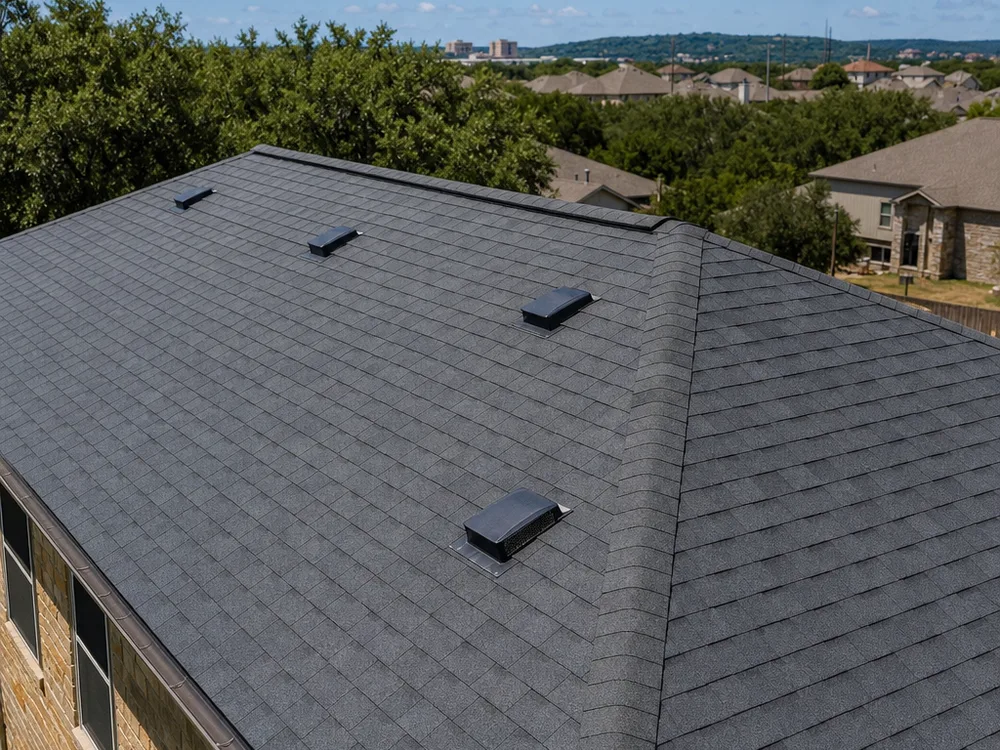
If you are getting multiple bids, we can provide a straightforward inspection with photos and a written scope so you can compare roofing companies in San Marcos on the details that actually matter.
Call for a Free EstimateMany leaks can be inspected within 1 to 3 business days, and urgent active leaks are often prioritized when the schedule allows. The key is to identify the entry point, which is frequently flashing-related, then plan either a short-term dry-in or a permanent repair based on what the inspection shows.
A solid quote lists the roof areas included, materials and brand lines, flashing scope, underlayment type, ventilation changes, tear-off and disposal, and warranty terms. If it does not specify what happens when damaged decking is found, ask how that is handled and documented.
A repair can be right when damage is isolated and the surrounding roof remains in good condition. Replacement becomes more likely with recurring leaks at multiple transitions, widespread shingle aging, or many past patches that have created uneven water paths.
A professional leak trace starts with roof geometry and penetration points, then follows staining patterns and likely water travel paths. Roofers inspect walls, valleys, vent stacks, skylights when present, and fastener lines because water often enters upslope before appearing indoors.
Ask who will supervise on-site, what the daily cleanup plan is, how weather delays are handled, and what warranty applies to workmanship. Also ask how landscaping is protected and how decking replacement or change orders are documented.
Many roofers can provide photos, a written scope, and itemized damage documentation supporting the repair or replacement plan. The insurer determines coverage, but clear documentation of impacted components can reduce back-and-forth.
Tell us what you are seeing and when the issue started. We will inspect the roof, share photo documentation, and provide a written scope you can use to compare bids and schedule the right fix.